
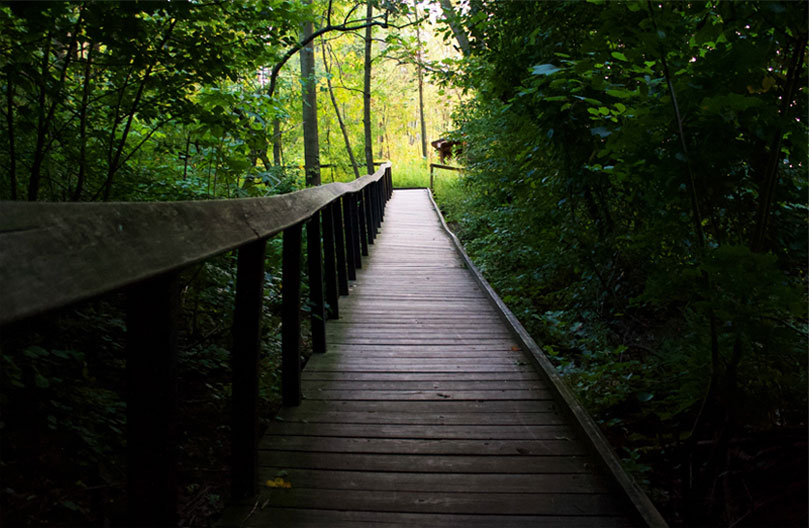
Asbury Woods consists of 234 acres of fields, forests, and wetlands which offers over 5 miles of breathtaking trails that are free and open to the public every day from dawn until dusk. The Andrew J. Conner Nature Center at Asbury provides environmental education programs including school and group programs, public programs, special events, festivals, and summer nature camps.
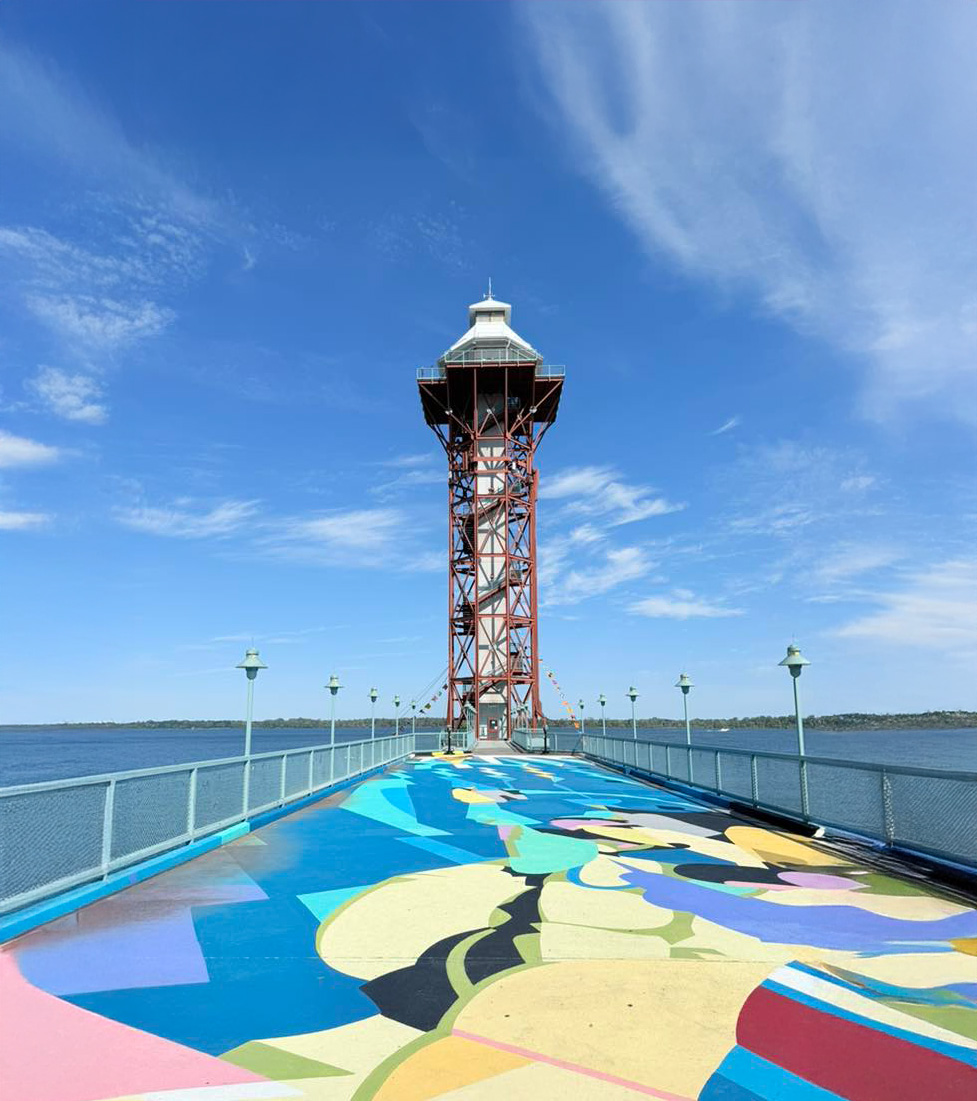
There is no better vantage point to view what makes Erie the “gem” of Lake Erie. This 187-foot steel tower took two years to build. Its construction was part of the $3.1 million Dobbins Landing renovation project and the 1995 bicentennial celebration of the City of Erie.
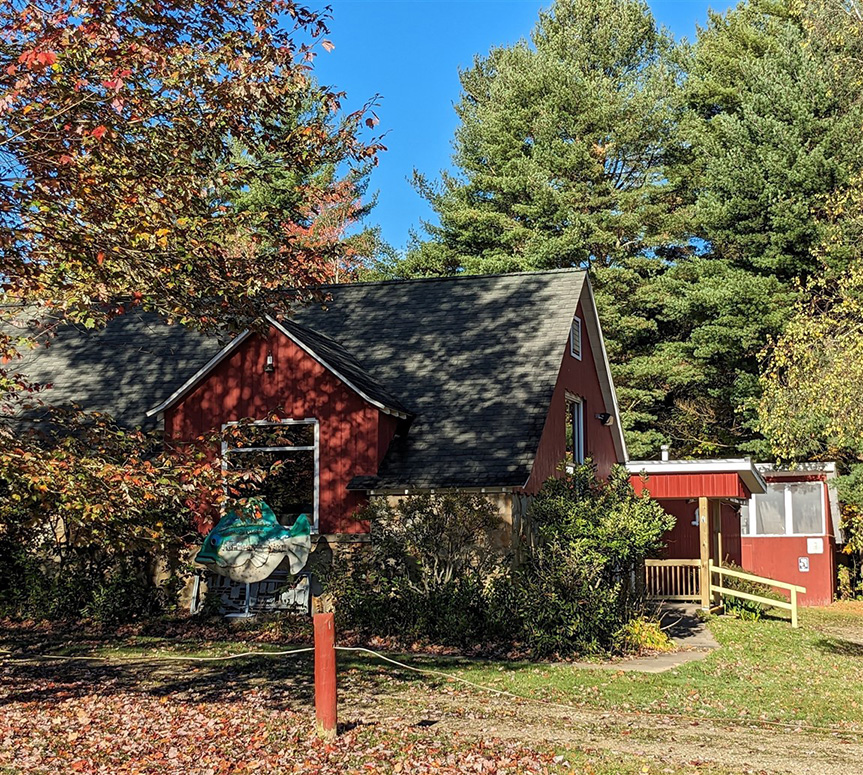
The Burleigh Legacy Alliance was created to revive the legacy of Erie-born Harry T. Burleigh as a baritone singer, composer, role model, arranger, champion of African American traditional music, and artist of the Harlem Renaissance and celebrate the contributions he made to the music of America and the world.
The city of Corry began as an important railroad junction during Pennsylvania’s oil boom in the 1860s. Exhibits include artifacts from all eras of the city’s history. A 1930s Climax steam locomotive that was made in Corry and used for logging is a visitor favorite.
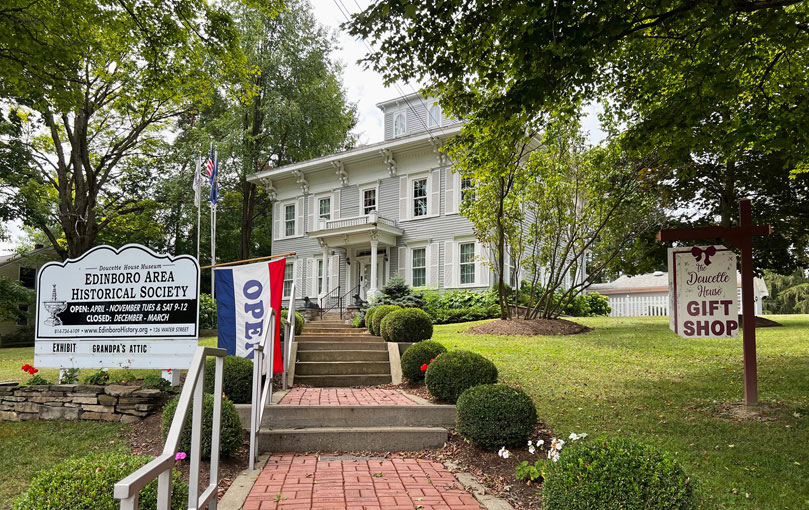
Located in the Doucette House, an 1861 Italianate mansion. Gift Shop on first floor, exhibits and archives on the second floor. The Society publishes The Fountain, an annual history magazine, and hosts local history presentations open to the public.
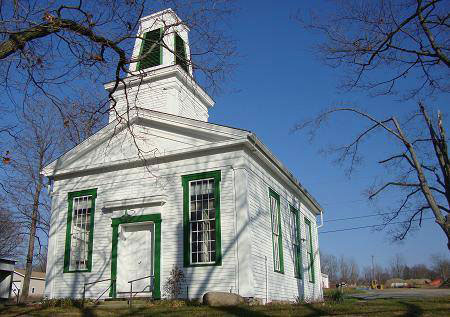
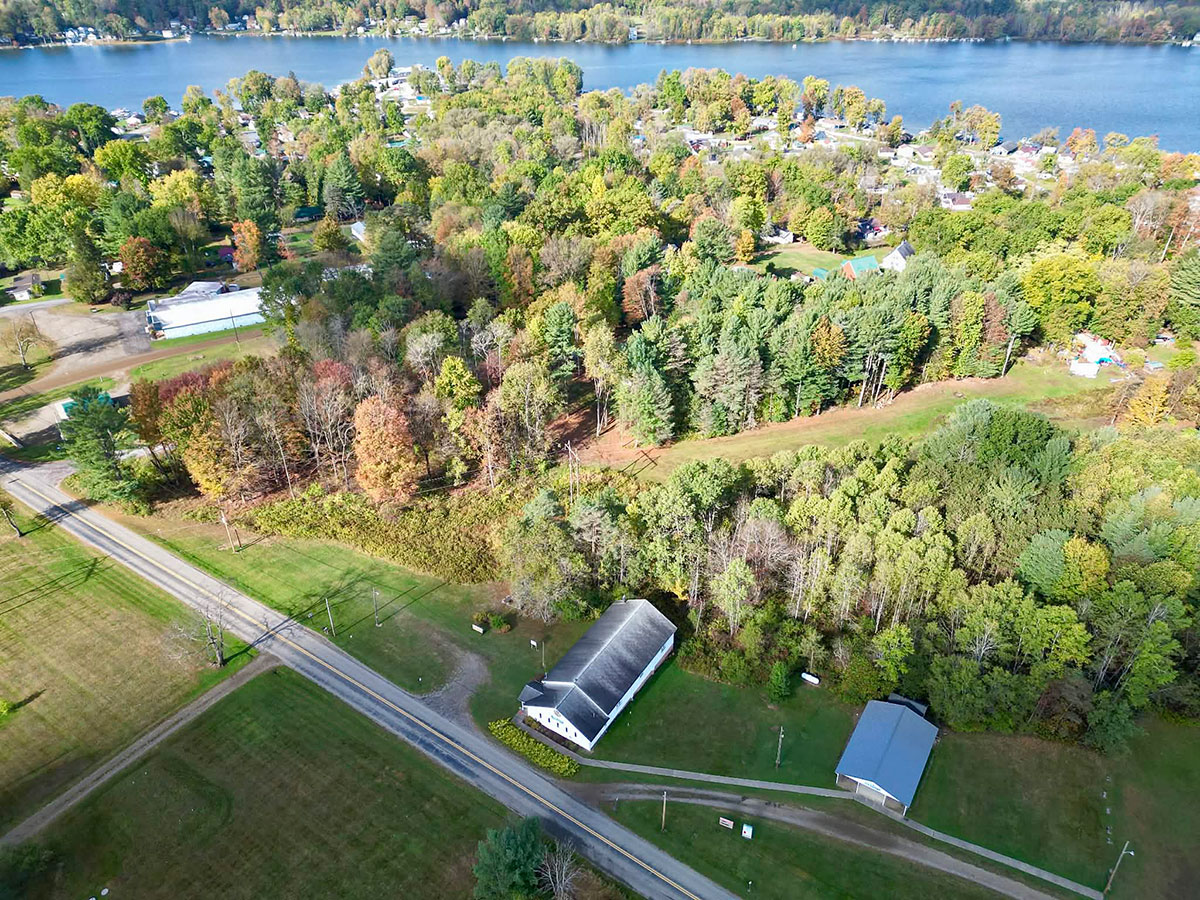
The Little Church on the Hill was built in 1855. Today, it serves as the home of the Elk Creek Township Historical Society and is used for community events and concerts, including their monthly Coffee House.
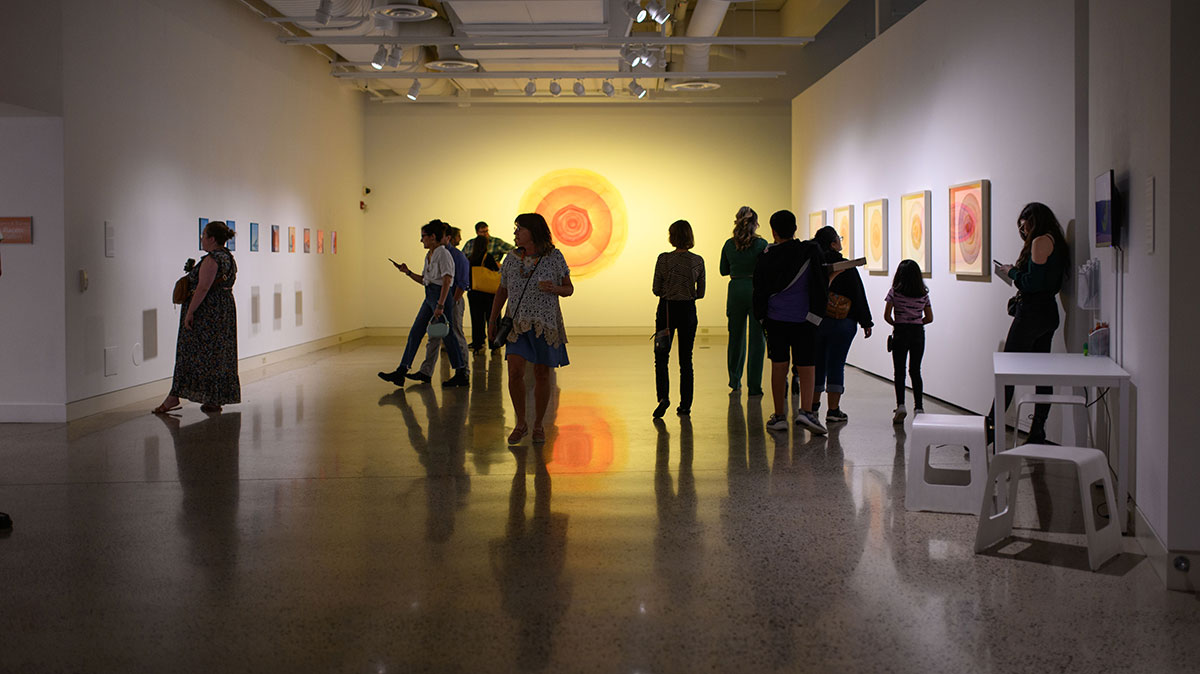
The Erie Art Museum is one of the region’s great cultural treasures. Visitors can choose from 8-10 concurrent exhibitions so everyone can find art that appeals to them no matter what their age or interest.
Over 50,000 people have been laid to rest in the 75-acre Erie Cemetery since it opened in 1851. It is the final resting place of Erie’s “Who’s Who,” including military heroes, entrepreneurs, politicians, inventors, musicians, and athletes.
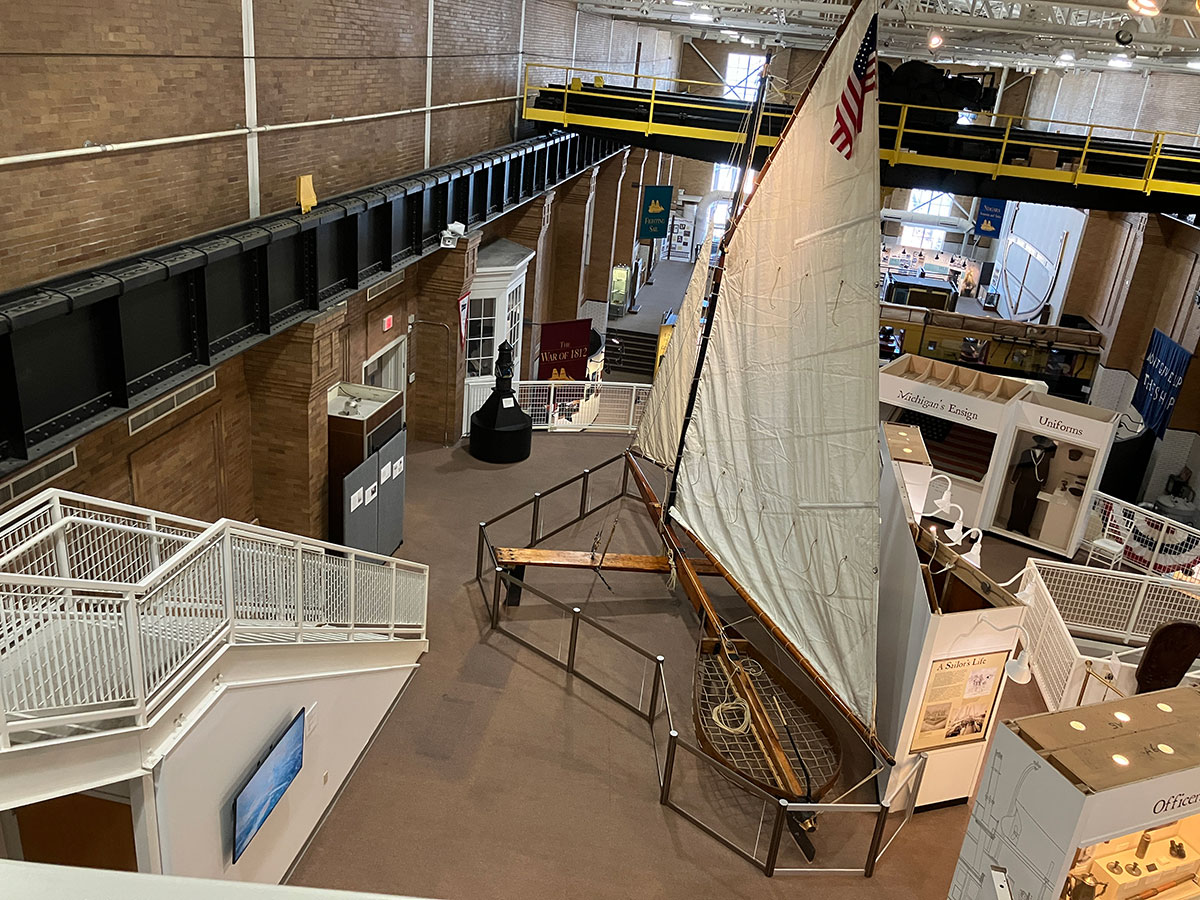
Housed in a retired Penelec waterfront power station, the Erie Maritime Museum welcomes you to experience Erie’s rich maritime heritage, from the Navy’s Battle of Lake Erie to Life-Saving Services and commercial activity and innovation on the Great Lakes. Home Port of the US Brig Niagara.
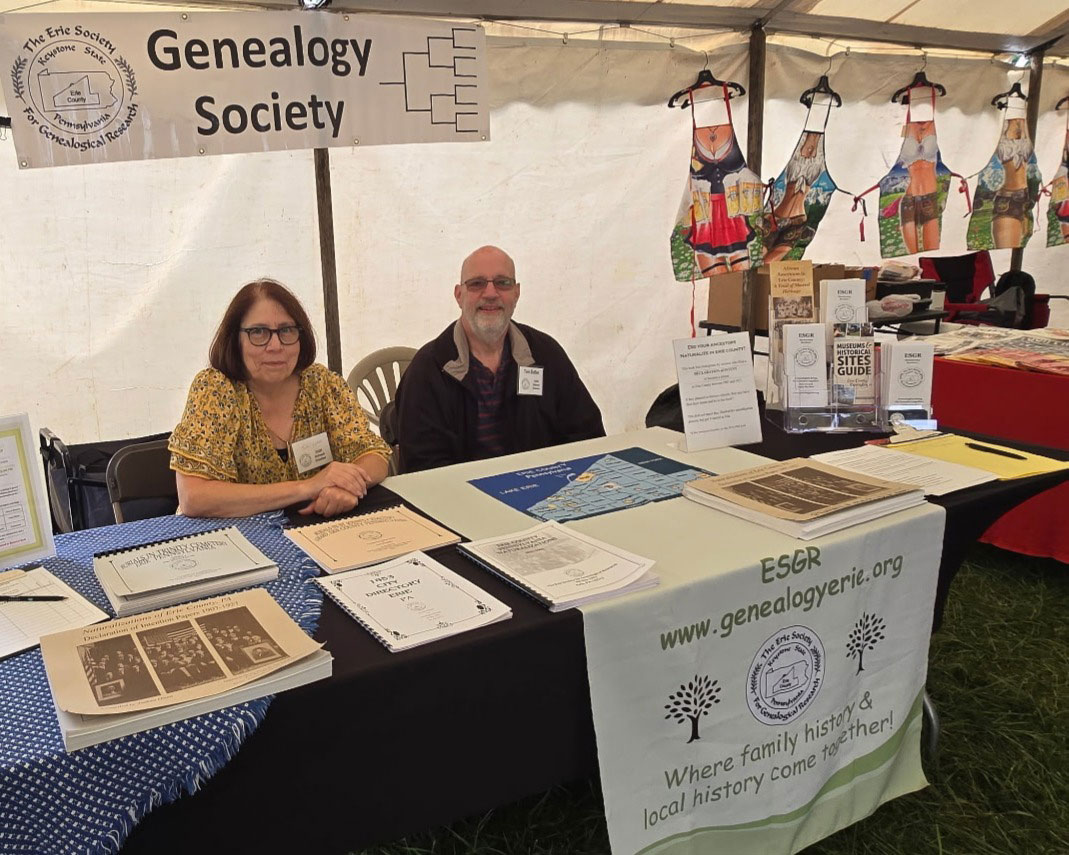
Located at the Hagen History Center, ESGR specializes in the study of family history. This volunteer organization offers classes, speakers, and information to those wanting to explore their family heritage. ESGR also focuses on the preservation of genealogy and historical resources located within the Erie area.
A comfortable walk through the Erie Zoo and Botanical Gardens takes about two hours. You’ll enjoy visiting with nearly 400 animals in their collection, as well as the 11 beautiful gardens found throughout the park.

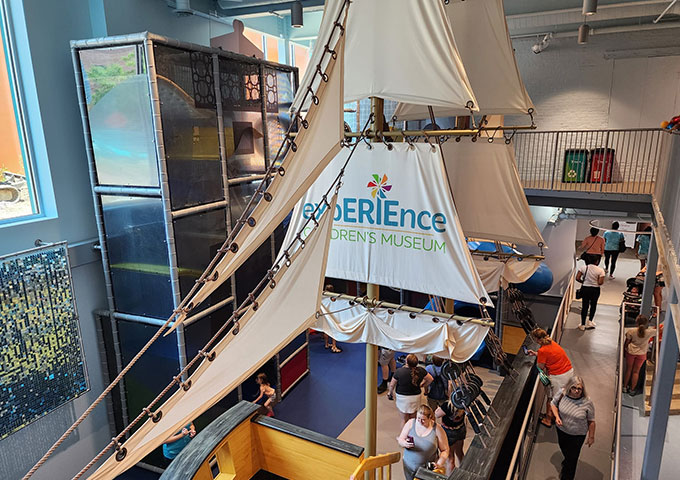
expERIEnce world-class exhibits and hands-on activities at the newly expanded and remodeled Children’s Museum. Special events and programs, along with educational classes and summer camps, are available throughout the year for guests of all ages.
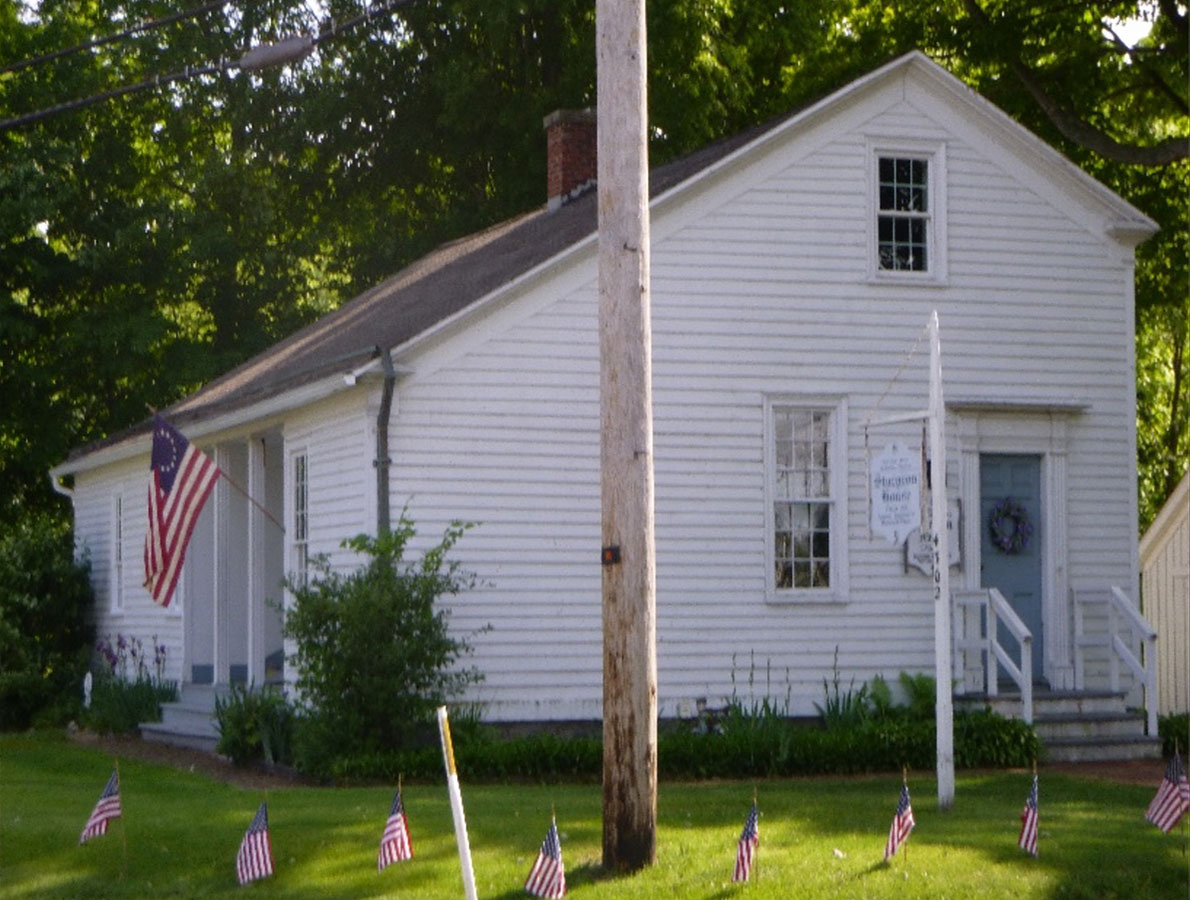
The Society is headquartered in the Sturgeon House, a c.1838 “salt box” home. It is used as a museum, meeting site, and repository for artifacts, family histories, and other historical records relating to the Fairview area.
The Museum is housed in the old station #4, which was active from 1903-1974. Its two floors contain more than 1,500 items, including antique firefighting equipment and fire pumps, fire alarm systems, and uniforms. Also on display is a 1927 American LaFrance pumper.
The historic campus includes the Amos Judson House (1820), the Eagle Hotel (1826) which is listed on the National Register and served as a stagecoach stop on the Erie to Pittsburgh line, The Fort LeBoeuf Museum French & Indian War Museum, George Washington Statue Park celebrating Washington’s mission in 1753, the 18th Century Soldier’s Garden, and the FLB Center & Whimsies of Waterford gift shop.
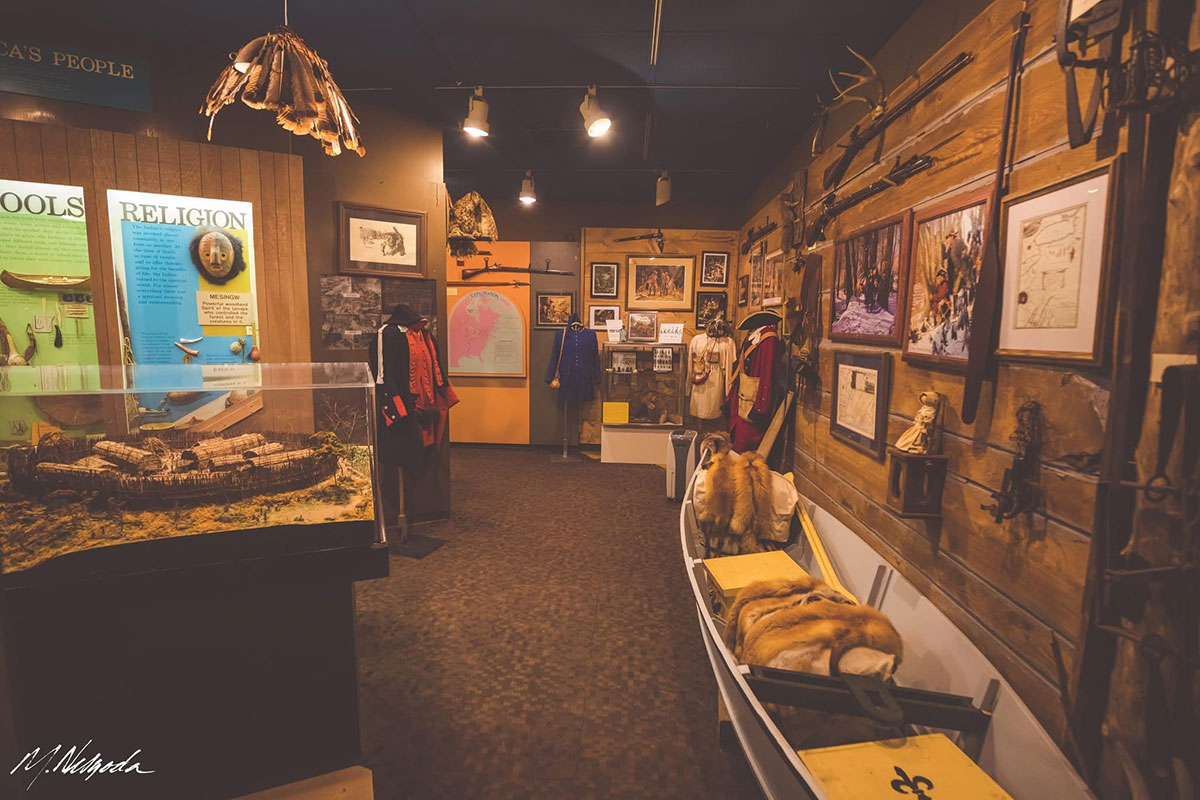
Visitors are encouraged to explore the 150-year history of grape farming and viticulture, geology, science, and the processing and marketing of grape products in the Lake Erie Grape Region through the Center’s interactive displays, public programs, and special events.
The Great Lakes Seaway Trail, formerly named and commonly known as the Seaway Trail, is a 518-mile National Scenic Byway running along the shorelines of New York and Pennsylvania. The Seaway Trail follows Route 5 and Alternate Route 5 in Erie County.
Formed by the estate of sisters Margaret and Carrie Goodell for use as an education-oriented botanical garden and community greenspace, the site houses a collection of botanical specimens and local history archives and is a Level II Accredited Arboretum through Arbnet. Visit the gardens and trails or attend one of the many programs offered.
The Hagen History Center campus includes the Watson-Curtze Mansion, the Wood-Morrison House, a carriage house, a 10,000-square-foot archives building, and a new exhibit building featuring Frank Lloyd Wright’s reconstructed San Francisco office. The Center also oversees the Battles Museums in Girard, which include two 19th-century homes, 130 acres of farmland, and nearly a mile of public walking trails.
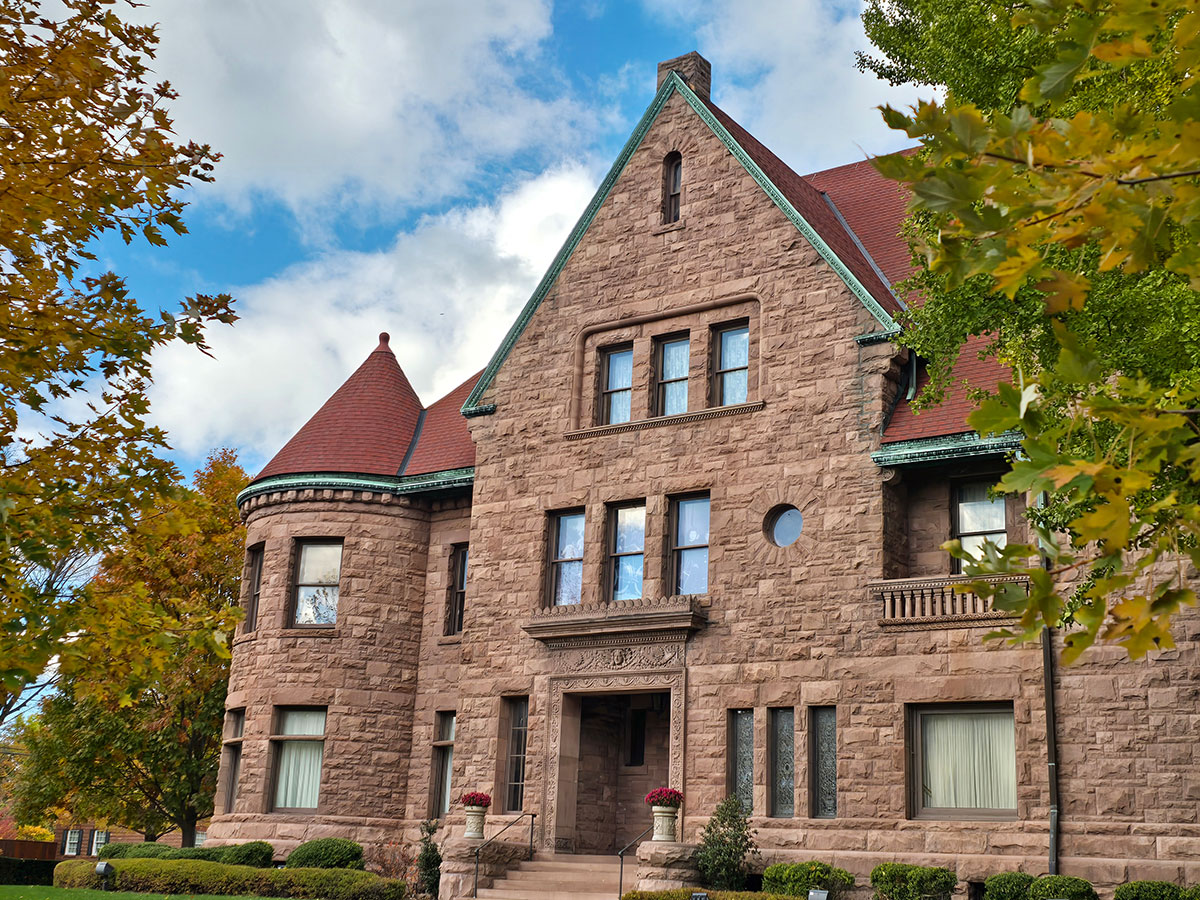
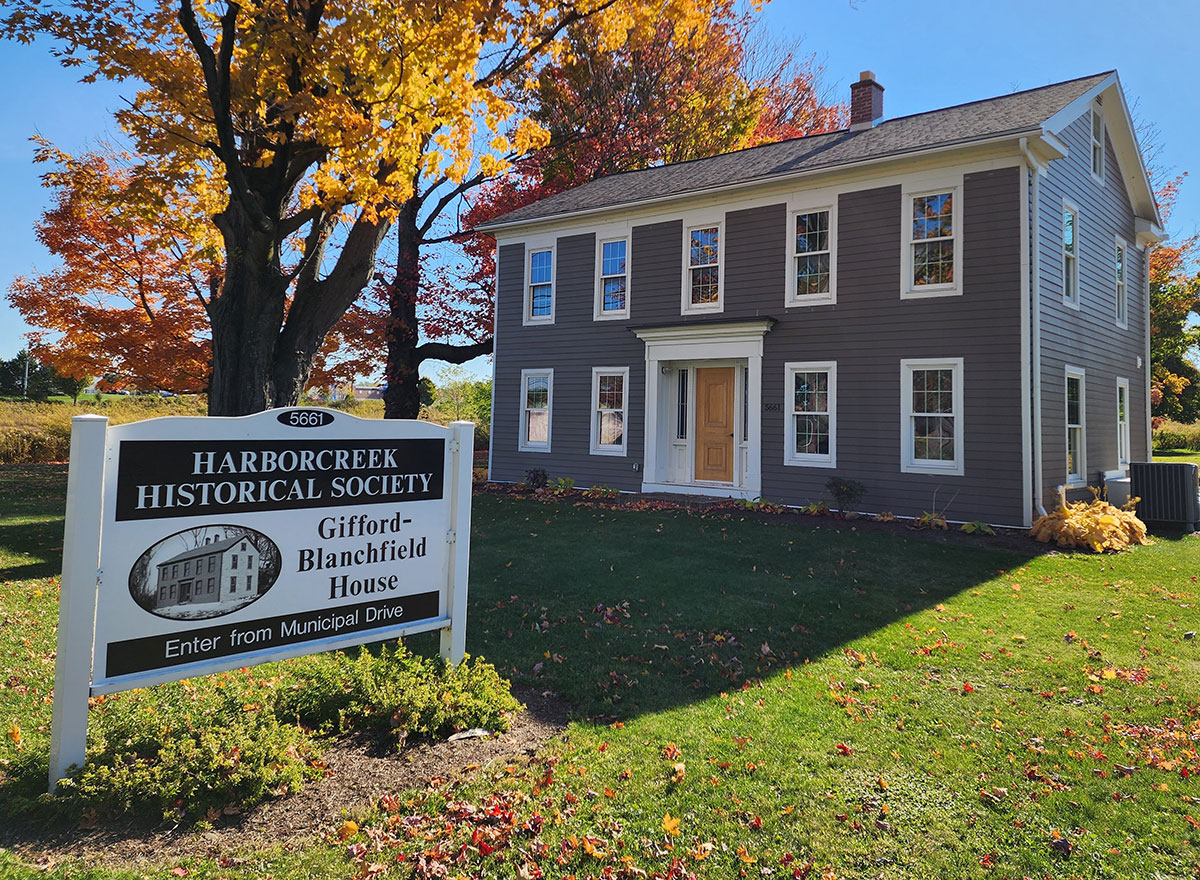
The Society is housed in the 1830s Gifford-Blanchfield House. Its exhibits and collection include photographs, letters and journals, yearbooks, and an assortment of artifacts relating to Harborcreek Township.
The Heritage Room offers a treasure trove of local history and genealogy resources, including newspapers, yearbooks, historic maps and atlases, and vertical files on local people, places, and events. Staff compile research aids on many topics and can help researchers locate information on specific ethnic groups. Access to digital newspapers, Family Search affiliate collections, and
genealogy databases is free onsite at the library.
Founded in 1892, Hope Cemetery is the final resting place for more than 300 military veterans, who are memorialized by a Spanish American War era cannon known as “Old George.” The cannon was brought to Albion from Savannah, Georgia by Civil War veteran George Baird. It was restored by the Albion Veterans of Foreign Wars and rededicated in 2013.
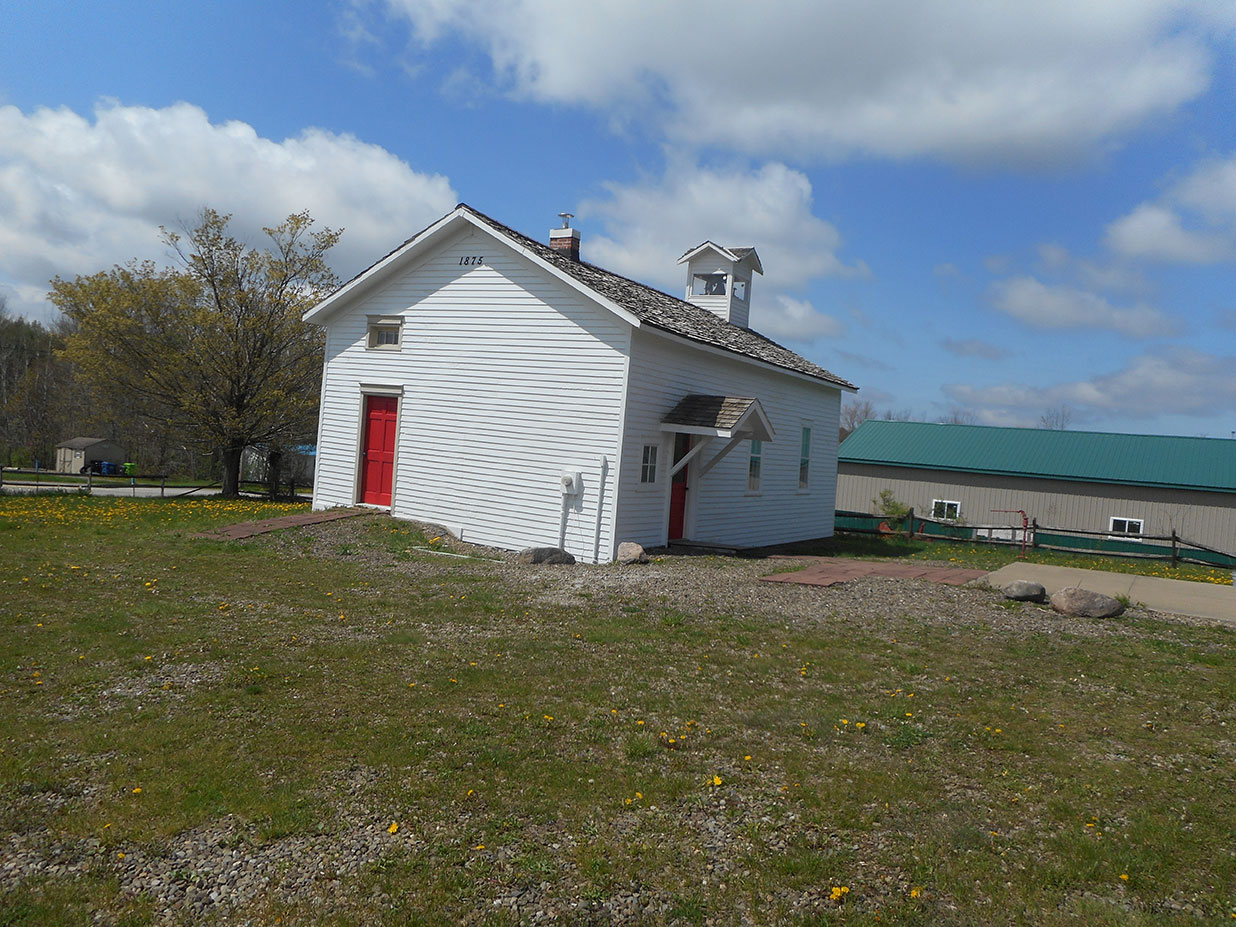
A restored Victorian one-room schoolhouse, Hornby School boasts original and reproduction school equipment ready for hands-on activities like writing in cursive, figuring sums and trundling hoops.
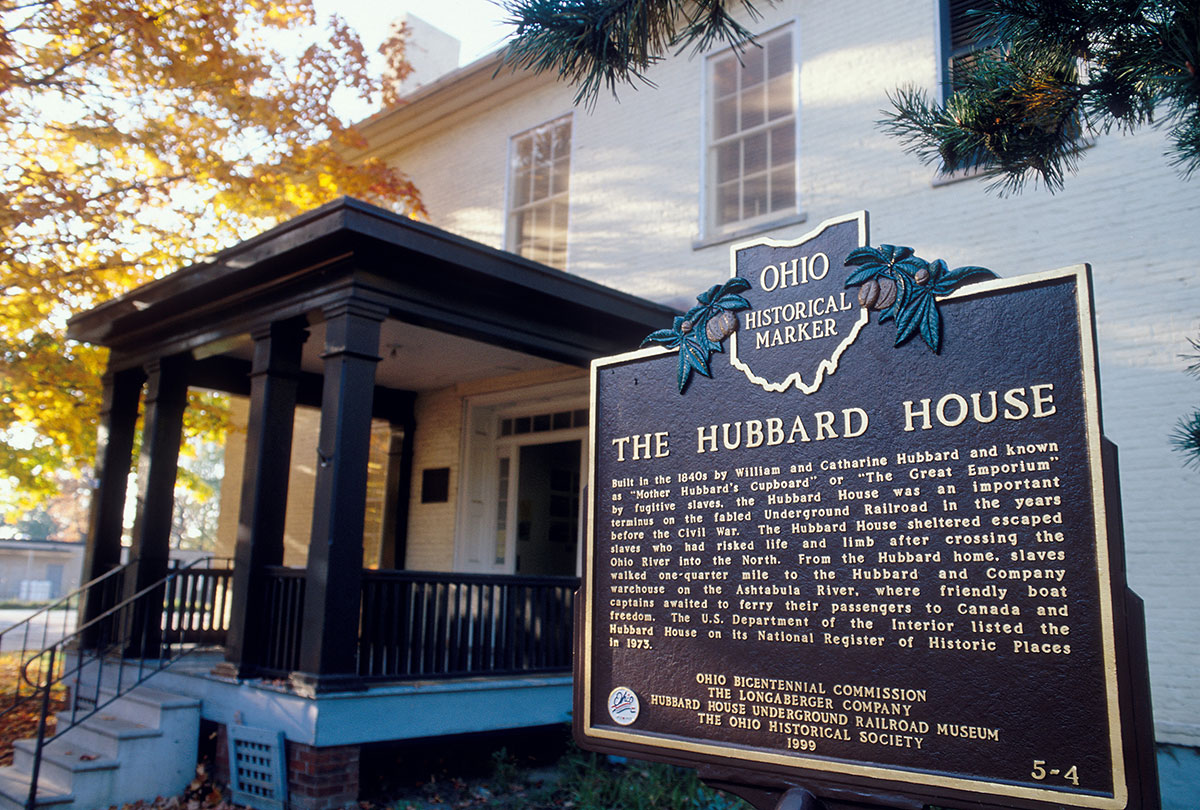
The home, built by William Hubbard in 1840, was a terminus for the Underground Railroad, which was a clandestine network spanning the country and created to shepherd African American freedom seekers during the era of slavery. It was restored in the 1970s by William and Catherine Hubbard’s great-great-grandson Thomas (Tim) Huntington Hubbard. Exhibits and tours present the story of the family and the antislavery movement in Ashtabula County.
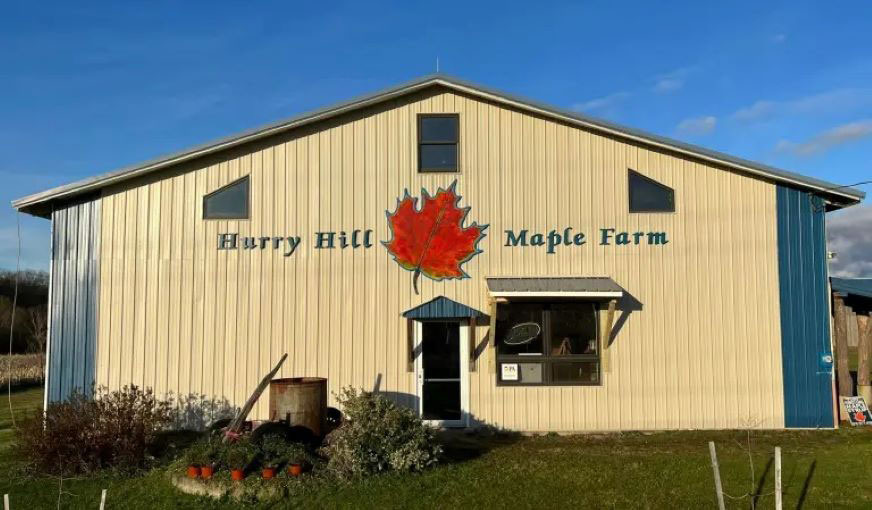
Hurry Hill Farm is dedicated to preserving traditional methods of maple syrup production. It is the home of northwestern Pennsylvania’s only Maple Museum and hosts an annual Taste & Tour each March.
Located less than two miles south of Erie County, the Society collects and preserves the history of Lake Canadohta. They offer special events and local history programs.
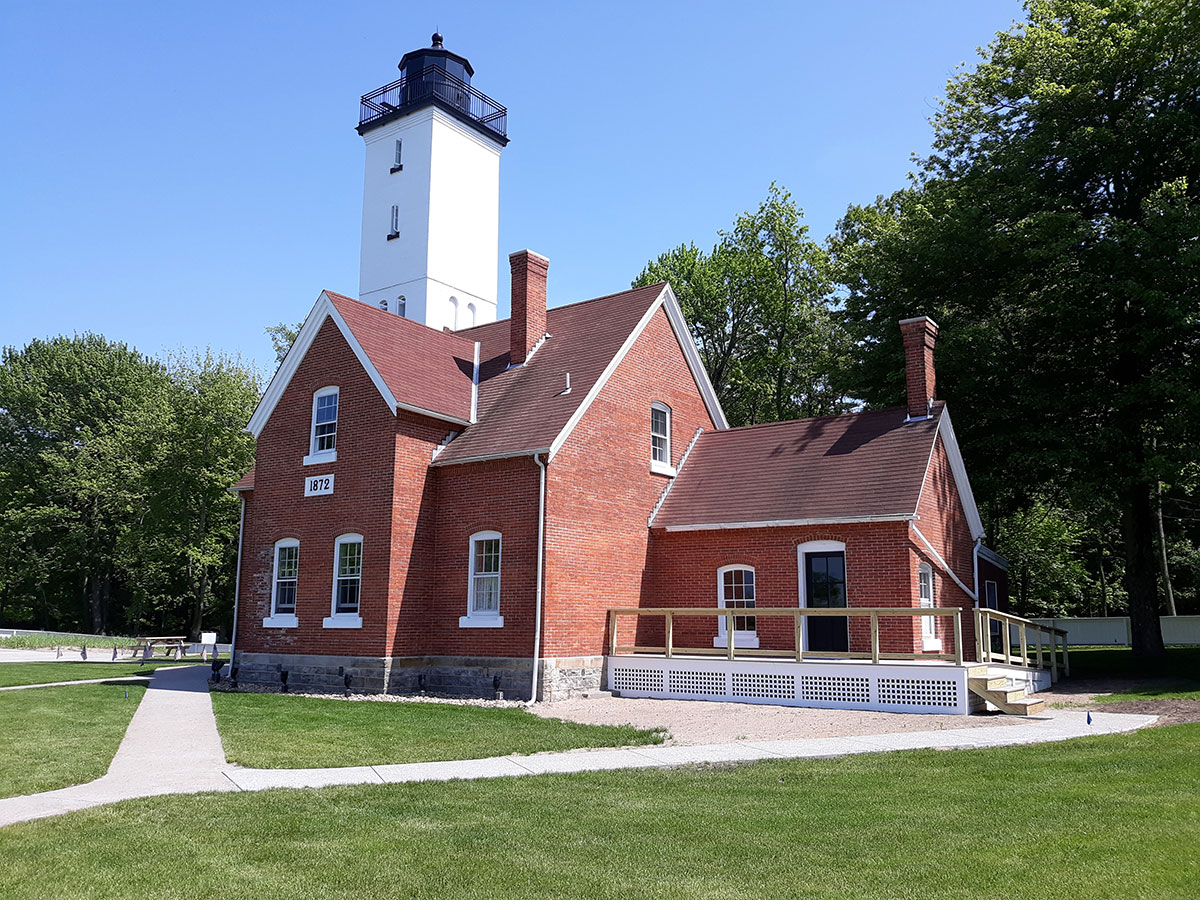
Your breath will be taken away by incredible views, all while learning about Erie’s maritime heritage. Lake Erie Lights of PA offers admission to climb out towers and to visit our museum at Presque Isle Lighthouse. Don’t forget to stop by our gift shops to pick up a souvenir of your lighthouse adventures.
The Lake Shore Railway Museum is housed in a restored 1899 passenger train depot and features displays of 19th and 20th century railroadiana. GE and Heisler locomotives built in Erie are on exhibit, as well as a dining car, caboose, Pullman sleeping cars, and antique freight cars.
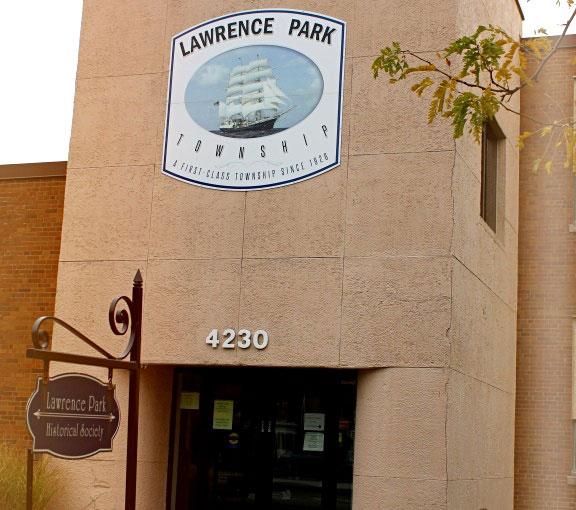
Lawrence Park is an “industrial village” developed by General Electric, beginning in 1911. It was designed by acclaimed planner John Nolen, whose plan was built out from 1916 to 1965. In 2018, it was listed on the National Register of Historic Places. The Society maintains a collection of local artifacts, house histories, photographs, blueprints, memoirs, school yearbooks, and scrapbooks from the community.
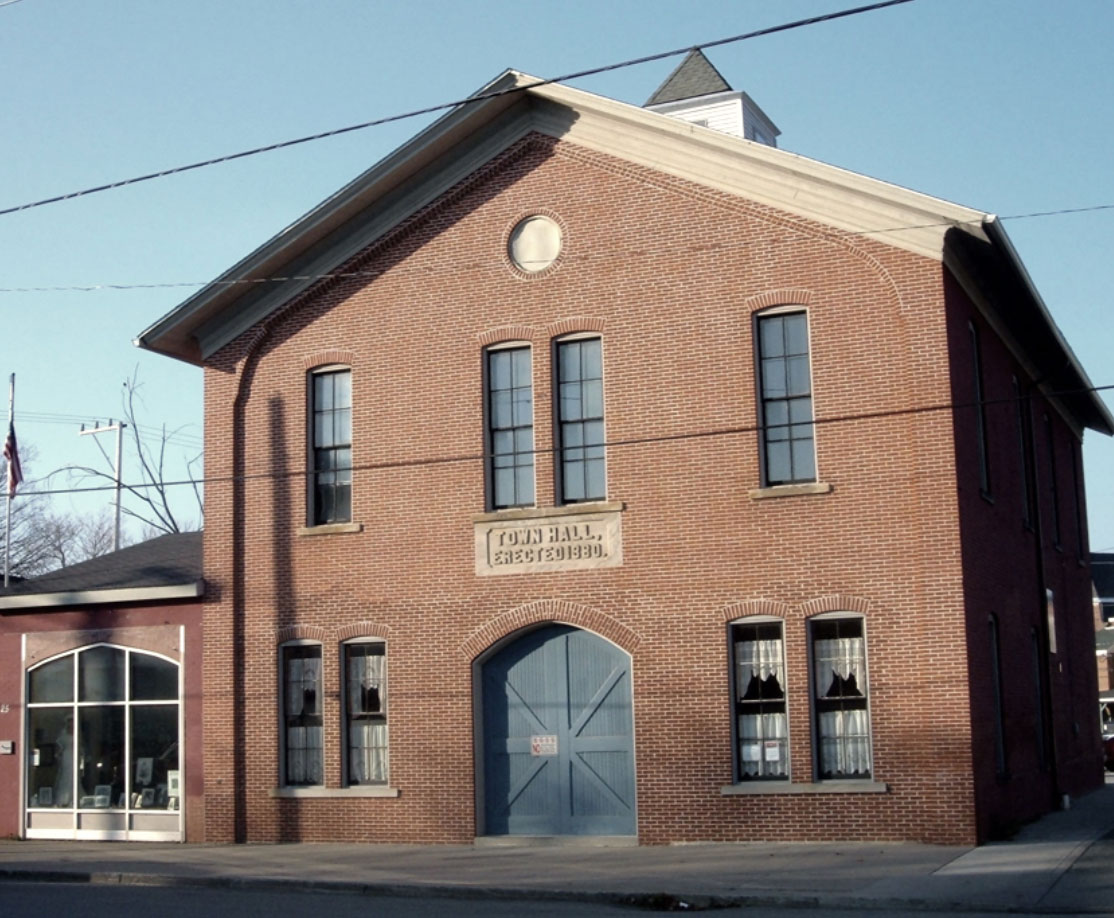
The museum features temporary displays about North East history. It is located in the 1880 North East Town Hall, which served as the town’s fire hall from 1885 to 1996. The North East Arts Council is located on the second floor.
Located in the John M. Lilley Library, the Penn State Behrend Archives consists of three distinct collections: the Hammermill Paper Company Collection, the Behrend Family Collection, and the Penn State Behrend Collection.
Named by National Geographic as “one of America’s most scenic drives,” US Route 6 in Pennsylvania is the heart of the American Dream. This magical and tranquil highway along the Keystone State’s northern tier is 400-plus miles of history and heritage, small-town culture, friendly people, and wondrous sights too often forgotten. Route 6 travels through the southern portion of Erie County, which is one of 11 counties included in the heritage area.
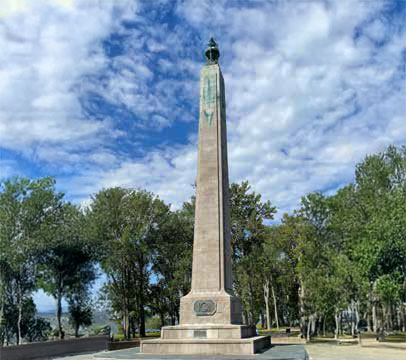
Located on Misery Bay in Presque Isle State Park, Perry Monument commemorates Erie’s role in the War of 1812. The monument is named for Commodore Oliver Hazard Perry, who successfully commanded a fleet of nine ships – six of which were built in Presque Isle Bay – against the British on September 10, 1813 at Put-in-Bay, Ohio. The 101-foot obelisk was commissioned by the Perry Memorial Commission of the State of Pennsylvania and dedicated September 10, 1926.
The Tom Ridge Environmental Center (TREC) features a 75-foot observation tower, 7,000 square feet of exhibits, a Presque Isle orientation theater, a research wing, and Presque Isle Gallery and Gifts. Among the most impressive features of the center is a large-format theater, the first of its kind in the Pennsylvania state park system. The Big Green Screen theater is equipped with a four-story-high, 45-footwide screen that is used to show nature and environmental films.
This interesting museum is housed in a 100-year-old three-story building and features collections that reflect local history from a rugged 1797 frontier settlement to today.
This restored 1853 one-room schoolhouse was in use for 101 years before it was relocated to the campus of Northwestern School District. The schoolhouse is furnished with desks, flags, globes, and other school memorabilia from its long history.
Washington’s Trail is a driving route through western Pennsylvania that commemorates young George Washington’s first military and diplomatic journey taken 1753 to 1754. The route is indicated by historic markers and follows major roads, though there are alternate historic or scenic routes suggested which may more closely align with Washington’s travel. In December 1753, Washington spent five days at the French Fort sur la Riviére aux Boeufs at present-day Waterford, Erie County.
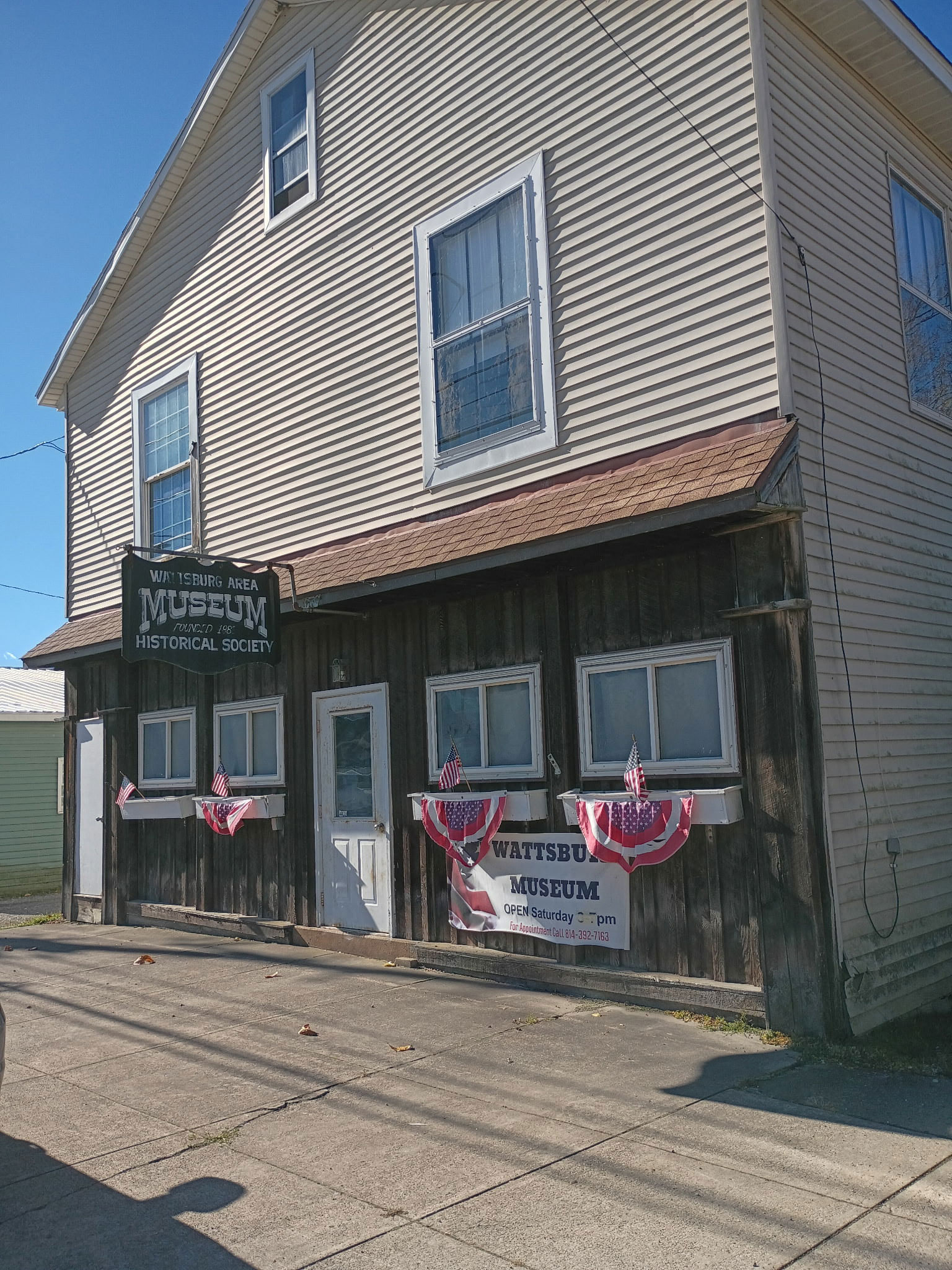
The museum features several exhibits showing items from the area. There are exhibits that show the average American home in the mid-20th century, pictures of the floods and the fire of 1928, the original drum used in the Wattsburg Drum & Bugle Corps, and much more.
Housed in the Girard Borough Building, the Association maintains a collection of Marx Toys that were manufactured in Girard, as well as photographs, family histories, and other items documenting the history of this “canal town.” Several exhibits are located in the social hall of the Borough Building.